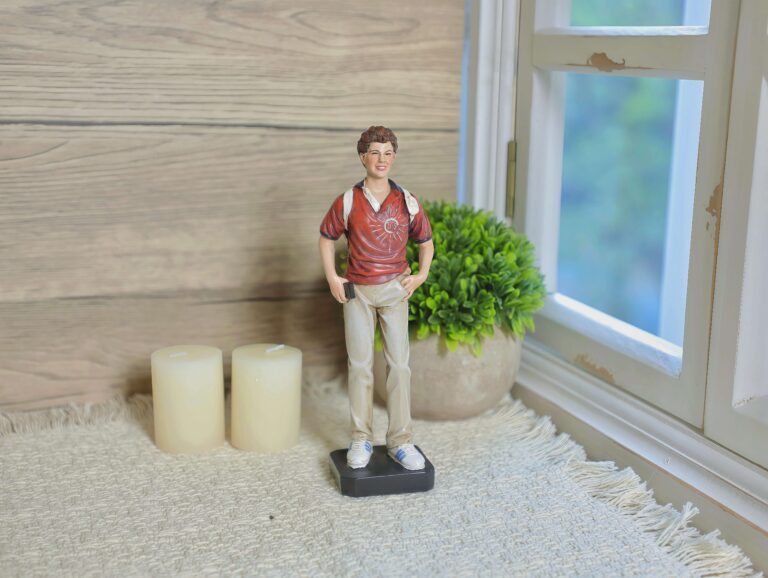
In the sculpture industry, resin sculptures are gradually becoming one of the mainstream choices in the market. Compared to traditional stone, metal, or wood sculptures, resin sculptures offer significant advantages in terms of design freedom, cost control, and application range.
Resin sculptures typically use fiberglass resin or synthetic resin as the main material, molded using molds, and then finished through manual trimming, polishing, and painting. Due to the excellent plasticity of resin, designers can achieve more complex and detailed shapes, such as facial expressions, textures, and abstract art forms, which are often difficult to achieve with traditional materials.
In terms of application scenarios, resin sculptures are widely used in commercial space decoration, theme parks, hotel lobbies, shopping malls, landscape design, and interior art installations. For projects requiring mass customization, uniform style, or multiple reproductions, resin sculptures offer significant advantages in terms of delivery time and cost.
Furthermore, resin material is relatively lightweight, making it easy to transport and install, while also possessing good weather resistance and stability. Through surface treatment processes, resin sculptures can achieve various effects such as imitation stone, imitation bronze, and imitation wood, significantly reducing overall costs while maintaining visual appeal.
For these reasons, more and more design companies, contractors, and overseas buyers are beginning to choose resin sculptures as their preferred option.