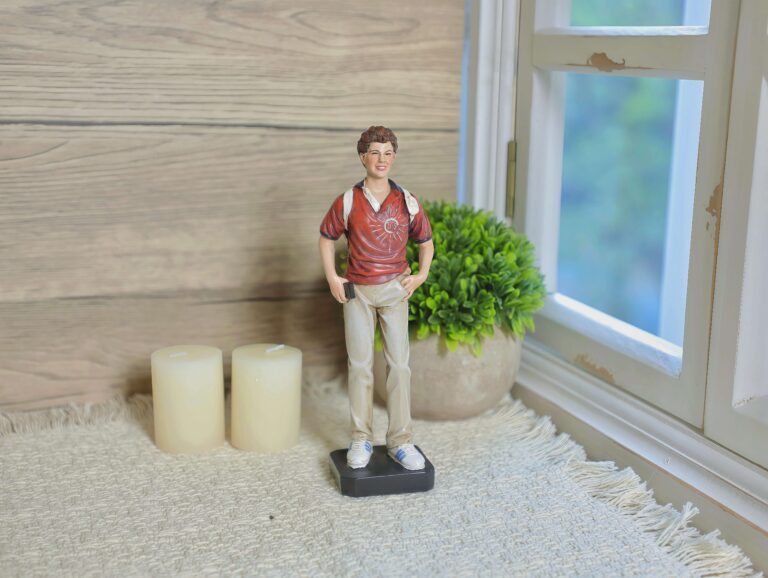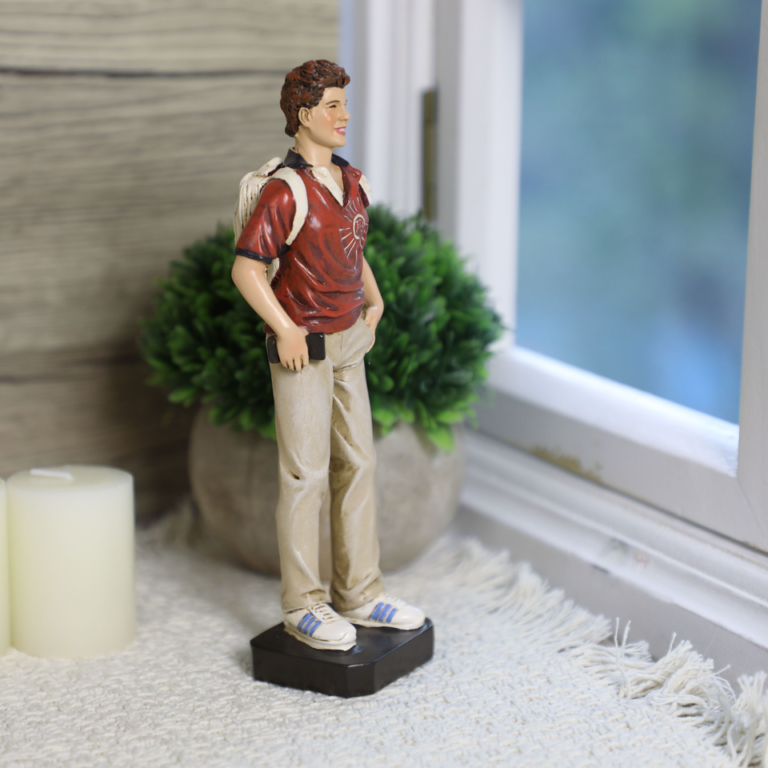
For many clients, understanding the production process of resin sculptures helps in better controlling project progress and the final outcome. Below is an overview of a standard resin sculpture production process.
The first step is design confirmation. Clients can provide design drawings, reference images, or 3D models. The factory will refine the design based on project dimensions, installation environment, and usage requirements, and confirm the proportions, structure, and details.
The second step is prototype creation. Based on the design plan, the factory usually creates a prototype model to confirm the styling effect. This step is crucial, as it allows for the identification and adjustment of details before formal mold making.
The third step is mold making. Once the prototype is confirmed, a silicone mold or fiberglass mold will be made for subsequent mass production. The accuracy of the mold directly affects the quality of the finished product.
The fourth step is resin molding. The resin material is poured into the mold and cured to form the main body of the sculpture. Depending on the structural requirements, fiberglass or metal frameworks can be added internally to enhance strength.
The fifth step is sanding and finishing. After demolding, the product undergoes multiple stages of manual sanding to repair seams and make the surface smoother and more refined.
The sixth step is coloring and surface treatment. Through spraying, hand-painting, or special processes, the desired color and texture effects are achieved, such as antique, distressed, or high-gloss finishes.
The final step is quality inspection and packaging. After inspection, the finished product is packaged in custom wooden crates or reinforced with foam packaging to ensure safe long-distance transportation.